
Study these BEFORE an emergency (Make sure you know where local hospitals are)
Table of Contents
1. Bleeding
2. Nosebleeds
3. Allergies
4. Concussion
5. Heart Attack
6. Signs of a Stroke
7. Falling Down
8. First Aid Guides
-Look up and press firmly on the soft spot, just under the bone. IMPORTANT: Do not do this if your nose is broken.
-If you frequently have nosebleeds, see a doctor.
Signs and symptoms of concussion
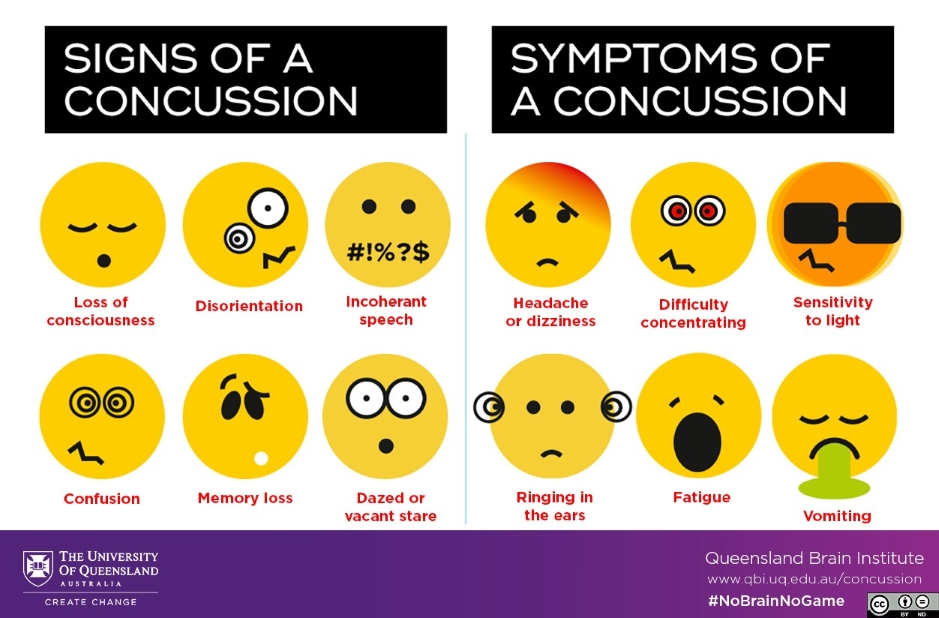
Concussion Infographics and Fact Sheets
-Symptoms include: chest pain, pain or discomfort in other part of the body, shortness of breath, nausea, lightheadedness
-If you are at risk of a heart attack, carry aspirin with you and memorize the dosage. When you get a heart attack, call 911 immediately and tell them you have a heart attack, and that you have aspirin (and what dosage are the pills).

-If you are at risk of falling down and/or physically weak, keep your phone on you at all times in a place that's reachable by both hands
-Also wear a personal alarm, also in a place reachable by both hands